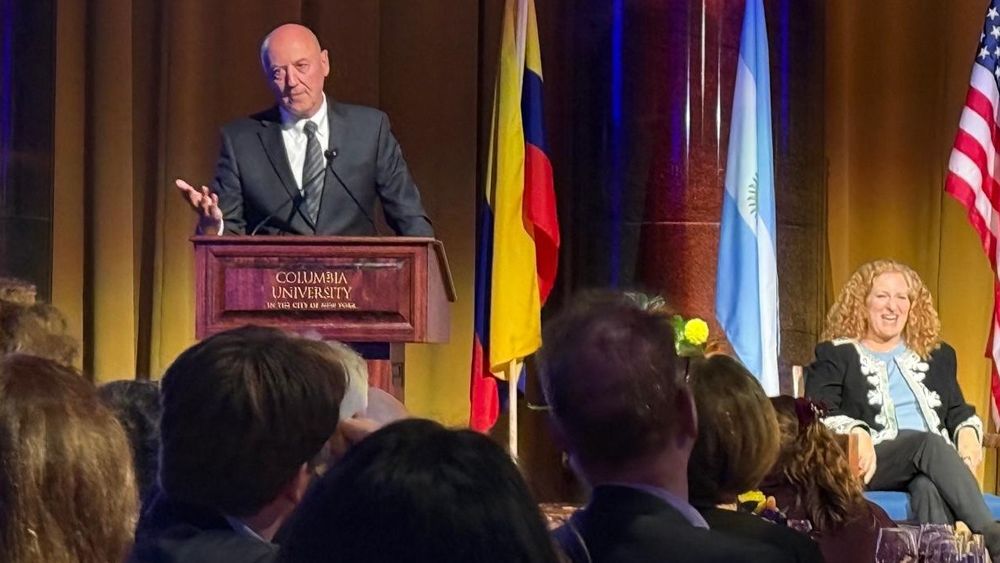
At the opening of the deliberations of the 81st General Assembly of the Inter American Press Association (IAPA), the organization’s president highlighted the continental impact of the institutional situation currently facing the United States. “This is not just about attacks on newspapers or television networks; it is about the weakening of the most influential democratic system in our hemisphere. And what happens in Washington—let us not fool ourselves—has repercussions throughout the Americas,” warned José Roberto Dutriz.
A hostile discourse against journalism has been recorded in several countries over the past six months. The phrase “we don’t hate journalists enough,” which Argentine President Javier Milei frequently uses to conclude his posts about the press on X, has become a symbol of the level of danger that official rhetoric poses to the practice of journalism. Similarly, Colombian President Gustavo Petro continues to stigmatize media outlets and journalists, associating them with mafia-like practices. The presidents of Costa Rica and Ecuador, for their part, persist in delivering offensive speeches against journalists.
In Honduras, journalist Javier Hércules Salinas was murdered. In Peru, journalist Raúl Celis was also killed.
In Bolivia, several media outlets have been subjected to fines and other sanctions for airing electoral propaganda, in some cases for amounts exceeding the value of the media companies themselves. In Panama, civil and criminal lawsuits against media outlets and journalists are the most commonly used mechanisms to threaten the financial sustainability of media organizations and to intimidate members of the press.
In El Salvador, President Nayib Bukele’s harassment of independent journalism has driven 40 journalists into exile over the past six months. In Haiti, it is the security crisis that continues to force more journalists to leave the country. Surveillance, monitoring, and both physical and digital intimidation are routine in Cuba.
In Guatemala, José Rubén Zamora has been imprisoned for three years, while journalist Milton Polanco has been missing since February. In Nicaragua, Irving Guerrero, Leo Cárcamo, and Elsbeth D’Anda remain in prison. In Venezuela, 18 journalists are currently behind bars.
Cases of judicial harassment and censorship continue to accumulate in Brazil. In Mexico, judicial harassment has become the main tool of censorship.
Amid a generally worsening landscape, a few positive signs deserve mention—such as those expressed by Luis Abinader during the Assembly’s opening session. “A government that fears the press fears the truth,” declared the Dominican president in a speech strongly defending freedom of expression. In Costa Rica, two landmark Constitutional Court rulings upheld the right to access public information and the freedom to express critical opinions. And in Colombia, a Supreme Court decision set a historic precedent by recognizing crimes against journalists as attacks on press freedom and democracy, rather than as common homicides.