Miami (August 11, 2026) – The Inter American Press Association (IAPA) expressed concern over a Costa Rican government decree that classifies as state secret a broad range of information related to the Directorate of Intelligence and National Security (DIS), the National Public Security Council, and the Fuerza Élite working group. The hemispheric organization warned that such a broad measure could hinder journalistic work and restrict access to information of public interest, with consequences for press freedom and the public’s right to be properly informed.
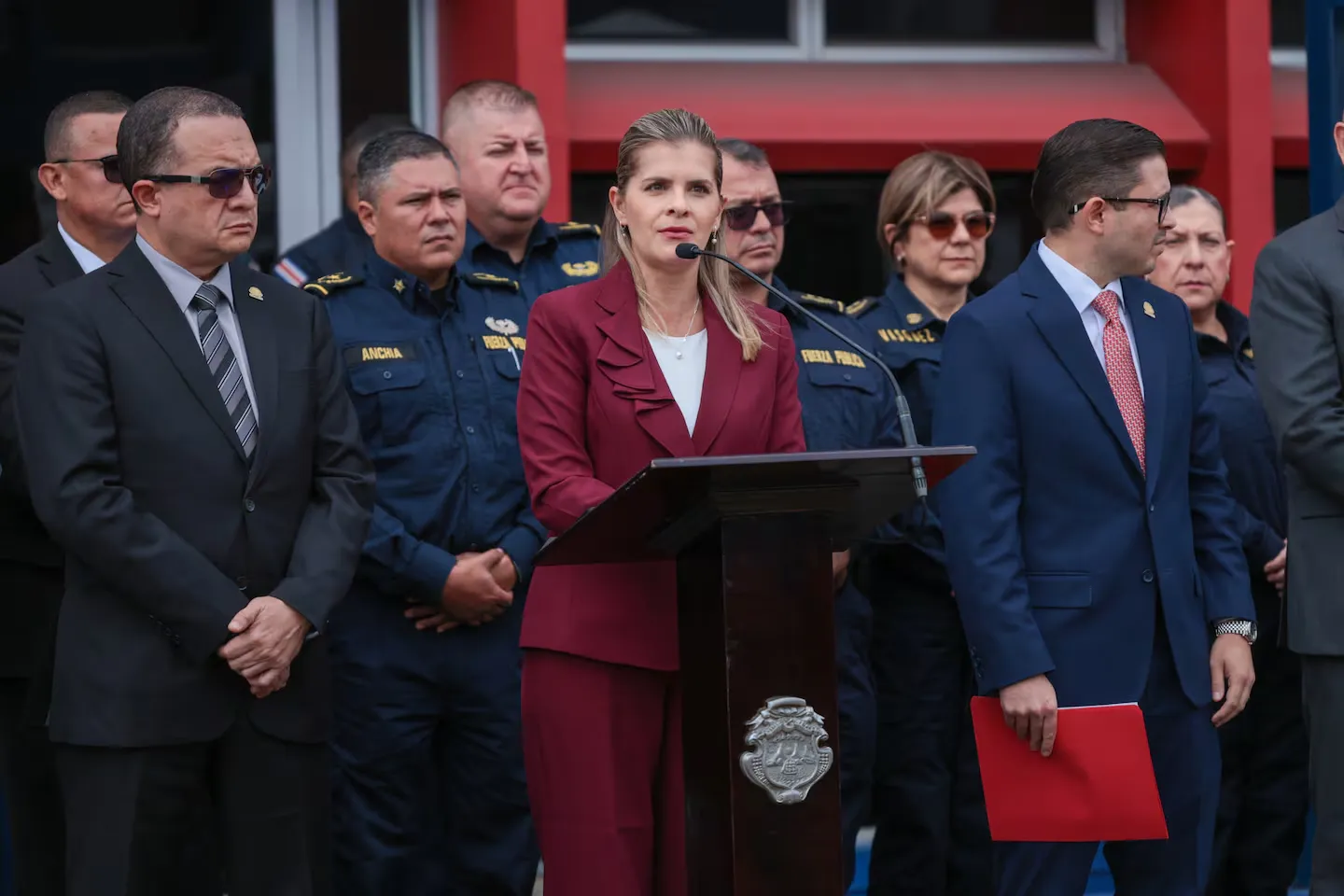
The measure, decreed on August 10 by President Laura Fernández, covers information on police and intelligence operations, chains of command, technological resources, security plans, budgets, expenditures and public procurement, as well as documents, meetings, agreements and other records of these three security agencies. The decree, which took immediate effect, was published in the official gazette, La Gaceta.
The IAPA President Pierre Manigault said, “We recognize that states may protect information whose disclosure could jeopardize security operations or put public officials or third parties at risk. However, classifying information as a state secret must be exceptional, clearly defined and subject to independent oversight to prevent disproportionate restrictions on the public’s right of access to information.”
Manigault, head of Evening Post Publishing Inc., in Charleston, South Carolina, added, “We are particularly concerned that the decree includes budgets, expenditures and all public procurement procedures, areas that are essential to transparency and accountability in the use of public resources.”
Lawyers and experts consulted by Costa Rican media questioned the constitutionality and scope of the measure, arguing that it should be supported by legislation approved by the Legislative Assembly rather than solely by an executive decree. Among other concerns, they noted that Costa Rica lacks specific legislation clearly regulating state-secrecy declarations. They warned that not all information related to intelligence or security can automatically be classified as a state secret and recommended that journalists and citizens petition the Constitutional Chamber to determine whether the decree complies with the Constitution.
Martha Ramos, chair of IAPA’s Press and Information Freedom Commission, said it was “concerning that the decree imposes an indefinite duty of confidentiality on public officials, advisers, contractors and others associated with these agencies, with possible sanctions for disclosing or sharing classified information.”
Ramos, director of Organización Editorial Mexicana (OEM), warned that “these provisions should not become mechanisms for preventing journalistic work or restricting investigations into matters of clear public interest.”
The IAPA officers urged the Costa Rican government to ensure that any restrictions on access to information comply with the principles of necessity, proportionality and legality, and to preserve effective mechanisms for judicial and public oversight. They also called on authorities to clearly distinguish between operational information whose confidentiality may be justified for security reasons and information related to budgets, public procurement, the use of public resources and administrative actions, which should remain subject to the principles of transparency and accountability.
The government justified the decree by citing the increase in drug trafficking and violence, arguing that disclosing such information could jeopardize operations, officials and international cooperation on security matters, according to press reports. The measure also comes amid a dispute between the government and the judiciary and following the leak of a report identifying 122 police officers allegedly linked to criminal organizations, according to local media reports.
The IAPA considers it essential that measures adopted to combat organized crime and violence do not end up weakening other fundamental pillars of a democratic society, including freedom of expression, access to information and independent journalism as a means of holding public officials accountable.
The IAPA is a non-profit organization dedicated to defending and promoting freedom of the press and expression in the Americas. It comprises more than 1,300 publications from the western hemisphere and is based in Miami, Florida, United States.