Authorities restricted public information during this period through legislation and their relationships with the press.
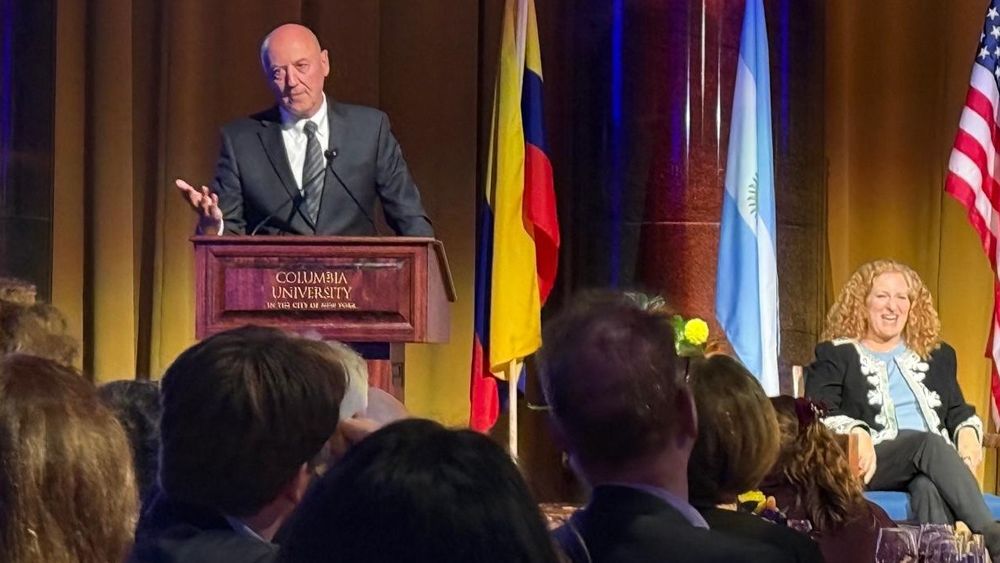
IAPA Midyear Meeting. April 23 - 24, 2026.
Authorities restricted public information during this period through legislation and their relationships with the press.
In December, Governor Jenniffer González-Colón enacted Senate Bill 63 (SB63), a controversial piece of legislation that amends the Transparency Law. The measure extends the deadline for public agencies to respond to information requests to up to 50 days, which in practice limits access to official data and has drawn criticism from journalists and civil society organizations.
The Inter American Press Association (IAPA) joined 13 other press freedom organizations in urging the governor to reject the adoption of Senate Bill 63, warning that the measure would limit government transparency and severely restrict journalists’ work.
At the same time, the governor’s office attempted to limit journalists’ access to La Fortaleza, the official residence, by requiring certification from the Puerto Rico Department of State to attend press conferences. This occurred in December when journalists Luis Valentín and Noel Algarín, from the Center for Investigative Journalism (CPI), were denied entry to La Fortaleza.
In late December, the CPI initiated legal action against the governor’s office and its press secretary, Marieli Padró. It denounced the measure as an attack on the CPI’s constitutional right to freedom of the press. In February, Superior Court Judge Iris L. Cancio González of the San Juan Court of First Instance ruled in favor of the CPI, stating that press certification does not constitute a valid mechanism for determining which journalists may access a press conference convened by the governor or any other official at La Fortaleza.
“Clearly, the plaintiffs’ right to freedom of the press is being curtailed by denying them access to valuable government information on which they may report or broadcast. The restriction imposed requiring press certification is an act that exceeds the authority delegated by law, violating the plaintiffs’ right to freedom of the press. Furthermore, denying full access to such press conferences causes them irreparable and recurring harm, without an adequate remedy other than that provided by preliminary and permanent injunctive relief,” the judge stated in her ruling.
However, after moving through different judicial levels, the case reached the Supreme Court, which on April 17, in a majority decision, ruled that La Fortaleza may require journalists to present an official credential issued by the Department of State.
CPI Executive Director Carla Minet stated: “Our justice system failed press freedom, and the current administration has managed to advance its intention to limit the press’s access to scrutinize and question what the government does and how public funds are used.”