During the period under review, authorities imposed multiple restrictions on freedom of expression, targeting independent journalists, content creators, and citizens expressing critical opinions through police and judicial actions.
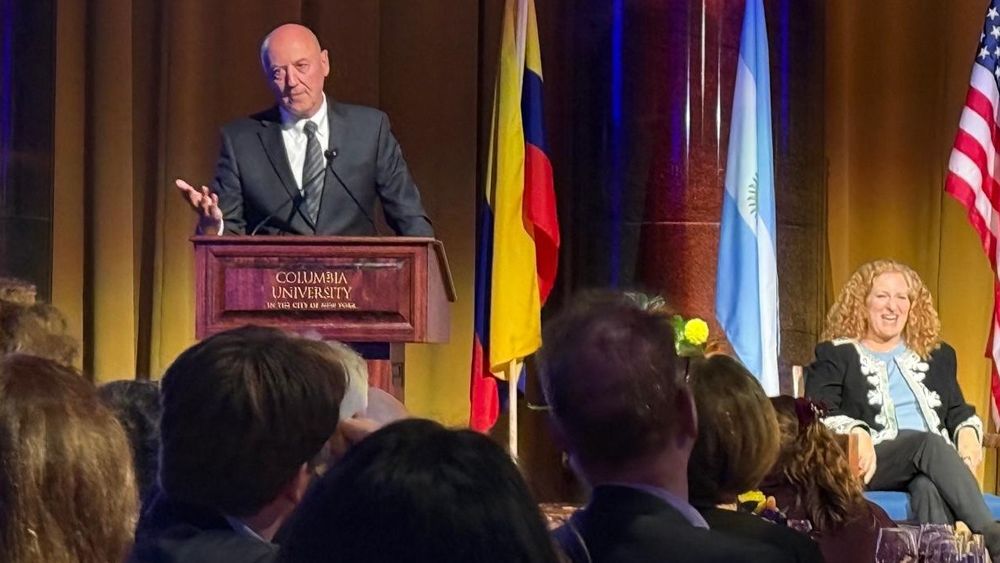
IAPA Midyear Meeting. April 23 - 24, 2026.
During the period under review, authorities imposed multiple restrictions on freedom of expression, targeting independent journalists, content creators, and citizens expressing critical opinions through police and judicial actions.
The official announcement in early April of the pardon of more than 2,000 individuals deprived of their freedom, without publication of names or specific details, within the framework of negotiations between the Cuban government and the Trump administration, generated expectations regarding the possible inclusion of some of the more than 1,000 individuals detained for political reasons. Among the cases mentioned are two imprisoned journalists, Jorge Bello and José Gabriel Barrenechea, detained for participating in protests, as well as Mayelín Rodríguez Prado, who, although not a journalist, is serving a 15-year sentence after interviewing minors during a demonstration.
The overall situation remains uncertain in a context marked by the deterioration of economic, social, and health conditions associated with the deepening energy crisis. During the period, State Security agents physically assaulted an independent journalist whose identity remains undisclosed for security reasons.
Cuba experienced outbreaks of diseases such as dengue, chikungunya, oropouche, and zika, affecting large segments of the population. These situations coincided with limitations in the healthcare system, including shortages of medicines, supplies, equipment, and specialized personnel, as well as difficulties in access to basic services—such as electricity and water—in healthcare facilities.
In addition, prolonged power outages extended across various regions of the country, including the capital. In some cases, outages exceeded 20 hours per day, affecting both daily life and the functioning of essential services.
At the same time, events of international relevance had an impact on the national context. Among them, the capture of Nicolás Maduro and a confrontation between Cuban military forces and U.S. troops, resulting in more than 30 fatalities. These events coincided with the arrest of journalist Henry Constantín, director of La Hora de Cuba and regional vice president of the IAPA Press Freedom and Information Committee in the country.
Constantín was detained at his residence at night and was not allowed to make prior communications. He remained incommunicado for approximately two days and was later released with an official warning related to the content of his publications.
In the following weeks, the journalist was detained on three additional occasions. In some of these incidents, his partner, journalist Alejandra García, was also detained. Police presence at his residence was reported for approximately 72 hours, with the aim of restricting visits, including that of a U.S. diplomatic representative.
During the same period, other journalists associated with La Hora de Cuba were subject to similar actions. Among them, reporter Sol García and a theater director were detained while leaving Constantín’s residence. Surveillance was also reported at the home of Iris Mariño, the outlet’s deputy director.
On the social level, there was an increase in the frequency of local protests, particularly in the form of nighttime pot-banging demonstrations, road blockades, and other forms of community protest. These protests occurred in the context of economic difficulties and limitations in basic services.
Authorities imposed arbitrary detentions, temporary house arrests, and restrictions on movement on independent journalists, particularly on dates considered sensitive or during official visits.
Among the documented cases are those of Camila Acosta, Yoani Sánchez, Reinaldo Escobar, Boris González Arenas, Yunia Figueredo, and Frank Correa, who were subject to multiple incidents of this nature between October and April. The total number of incidents is higher, as not all are publicly reported.
Summons and threats against collaborators of independent media were also recorded. In some cases, these actions resulted in the interruption of their journalistic activity. Reporter Adelth Bonne Gamboa reported having been summoned and warned by authorities, leading to the cessation of his collaboration with independent media.
In the digital sphere, authorities targeted content creators and influencers. Among the reported cases are the detention of Kamil Zayas and Ernesto Ricardo Medina, as well as the house arrest of Ana Sofía Benítez and her mother. Medina and Zayas, members of the independent audiovisual project El4tico (El Cuartico), have created an independent space for expression, analysis, and opinion on issues affecting the population. All face charges related to social media publications.
Pressure against family members of the group Fuera de la Caja was also reported, as well as allegations of assaults against lawyer Manuel Viera.
These actions were not limited to individuals with high visibility on social media. Cases were also documented involving individuals with smaller digital reach who faced consequences for their posts. Among them, cultural promoter Ewald Nieves Manduley was dismissed from his state job following critical expressions on social media. Other cases include individuals detained in connection with Facebook posts.
Official media targeted the digital outlet elTOQUE and attributed responsibility for economic processes to it. Various organizations interpreted these actions as part of a pattern of pressure on independent media. Some of its collaborators and former collaborators were publicly identified and faced administrative or judicial proceedings.
Restrictions on leaving the country for journalists persist under the administrative designation of “regulated.” Those affected include Camila Acosta, Henry Constantín, and Reinaldo Escobar. Boris González Arenas was again prevented from traveling abroad to participate in a fellowship.
Other documented cases include the detention of Yania Suárez after attempting to file a complaint regarding a neighborhood issue, as well as the assault of journalist Vladimir Turró while filming a state official.
A recurring element in these cases is the lack of information regarding investigations or sanctions against those responsible for the reported actions.
From a regulatory perspective, the current legal framework continues to be identified by international organizations as restrictive with regard to civil rights. Provisions of the Penal Code, such as those referring to “mercenarism” and “propaganda against the constitutional order,” are used in administrative and judicial proceedings.
Independent journalists continue to lack legal recognition and, in some cases, are classified as “unemployed” in official records. Independent media operate without formal legal protection.
The State maintains control over the main media outlets, including radio, television, and telecommunications. Authorities have also imposed limitations on the production and circulation of independent printed publications by restricting access to supplies such as paper.
Regarding internet access, service interruptions, low connection quality, and restrictions on non-state providers are reported.