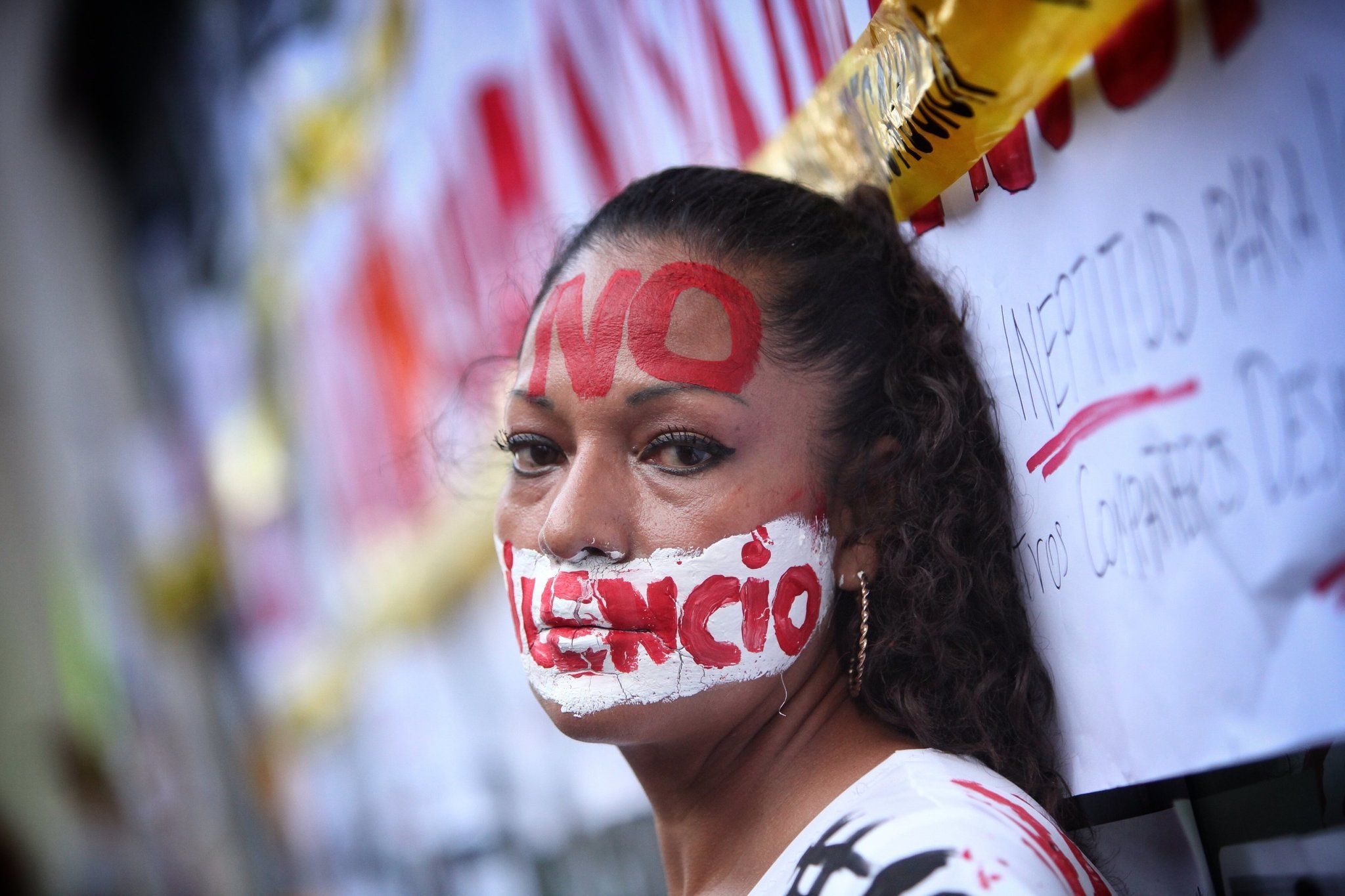
Miami (July 22, 2025) – The Inter American Press Association (IAPA) expresses deep concern over the resurgence of censorship mechanisms in several Mexican states, showed through judicial decisions that undermine freedom of expression, regressive legislative initiatives, and administrative pressure against independent media outlets.
In recent weeks, several incidents have revealed a troubling trend:
- Campeche: A local court issued an unprecedented judicial order against journalist Jorge Luis González Valdez, prohibiting him from referring to Governor Layda Sansores, according to local media reports. The ruling compels the newspaper Tribuna Campeche to submit all its content to prior review by a court-appointed supervisor—constituting a clear case of prior censorship, which is prohibited by international standards and Mexico’s own Constitution. This occurs despite a previous federal court ruling declaring a similar sanction against the journalist unconstitutional.
- Puebla: A recent reform to Article 167 of Puebla’s Penal Code expands the crime of “cyberbullying” and introduces a new category of “digital harassment” punishable by imprisonment for those who “publish content that affects someone’s dignity,” according to press reports. The IAPA warned that the vague and broad wording of the law could be used to criminalize journalists, activists, or social media users who criticize public officials—representing a form of preemptive legal censorship.
- Mexico City: Mexico’s National Electoral Institute (INE) demanded that the digital outlet La Silla Rota hand over documents, videos, and sources related to its investigation into the alleged distribution of “accordions” during the June 1 judicial election. The threat of a fine of up to 11 million pesos (around US$590,000) for noncompliance constitutes institutional pressure and indirect intimidation against journalistic activity. La Silla Rota has stated that the request aims to violate its constitutional right to protect sources and uphold professional secrecy. Lists containing information about candidates or political parties, designed to facilitate voting during elections, are called “accordions”.
According to Media Alliance MX, the case of La Silla Rota is not isolated. In recent weeks, the Electoral Tribunal of Tamaulipas ordered journalist Héctor de Mauleón and El Universal to take down a critical opinion column following a complaint by a local candidate. The INE participated in that process by handing over the journalist’s personal information to the tribunal. In another case, the electoral body also requested that journalist Laura Brugés reveal the identity of a source related to the same “accordions” in violation of laws protecting journalistic confidentiality.
“These are not isolated incidents, but symptoms of an institutional environment increasingly hostile to journalism,” warned José Roberto Dutriz, the IAPA President, CEO and general director of La Prensa Gráfica of El Salvador. “We are deeply concerned that in a democratic country with strong constitutional frameworks, judicial, legislative, or administrative tools are being used to suppress criticism and government oversight.”
Martha Ramos, Chair of the IAPA’s Press Freedom and Information Committee and Editor-in-Chief of Organización Editorial Mexicana (OEM), added:“These cases set dangerous precedents. If a local outlet is forced to submit its reporting to court approval, or if a citizen is penalized for expressing an opinion on social media, the message is clear: silence is being institutionalized. And if electoral authorities demand that journalists reveal their sources or face massive fines, it becomes a sophisticated form of coercion that cannot be tolerated.”
According to the IAPA’s Chapultepec Index, Mexico ranks among the countries with the most severe structural restrictions on press freedom in the Western Hemisphere, with an environment marked by impunity, violence, and now the instrumentalization of the judiciary and legislature to silence dissent.
The Inter-American Commission on Human Rights has affirmed that prior censorship is incompatible with Article 13 of the American Convention on Human Rights.
The IAPA is a non-profit organization dedicated to defending and promoting freedom of the press and expression in the Americas. It comprises more than 1,300 publications from the western hemisphere and is based in Miami, Florida, United States.