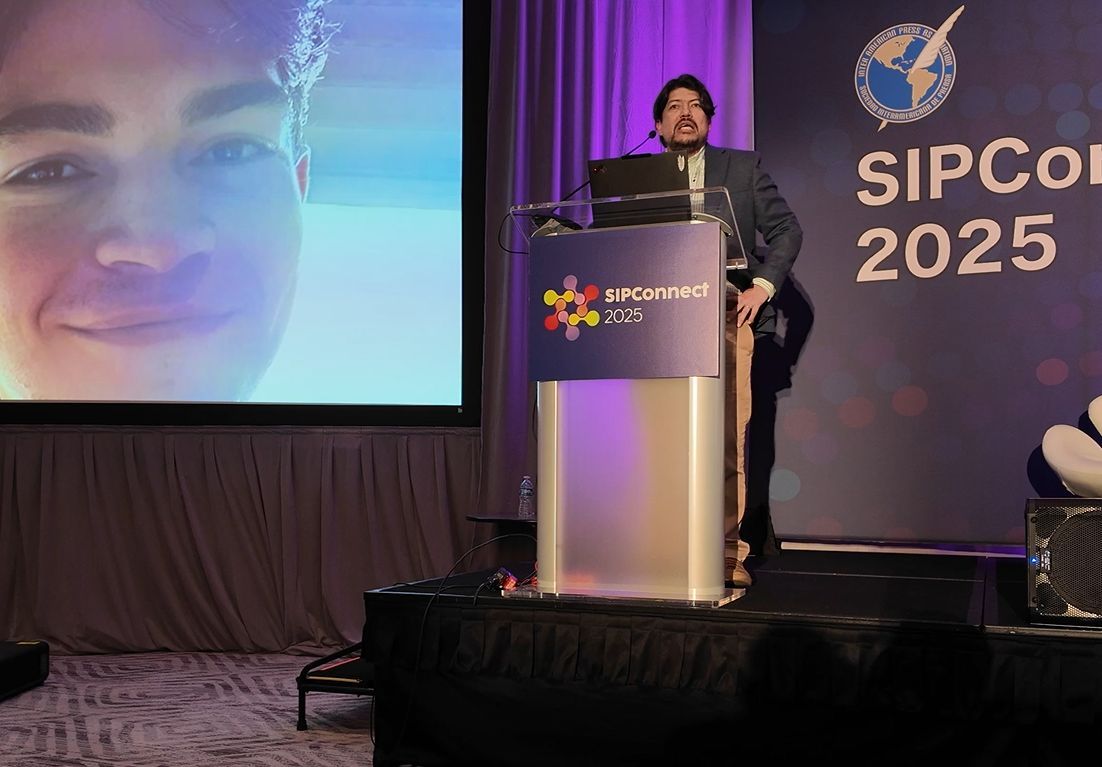
Thousands of forgotten files, repetitive tasks, and readers who can’t find what they’re looking for. For Carlos Andrés Ardila, these are some of the challenges many media outlets in the region face today. But they’re also opportunities. In his talk at SIPConnect 2025, the Latin America Commercial Manager at Protecmedia presented concrete tools to tackle these challenges—from automating print layout and generating articles with artificial intelligence to content personalization and efficient archive management.
Ardila opened his presentation with a key idea: “what isn’t used, atrophies,” referring to the underuse of content generated by media organizations. “Many outlets store terabytes upon terabytes of information, photos, videos, and audio that are never used again,” he noted.
Given this scenario, he proposed moving away from viewing archives as mere repositories and instead thinking of them strategically. What can be done with this valuable content? Three things: redistribute it to generate new views, monetize it through licensing or sales, and repurpose it to create new products from existing materials.
Protecmedia manages over 300 million documents and has supported major global outlets like ABC, elPeriódico, El Mundo, and Clarín in implementing strategies to make the most of their historical archives. Its system Quay, a DAM (Digital Asset Management) integrated with the CMS, automates the storage, classification, search, and distribution of digital assets. It enables transcription of video and audio, facial recognition, bulk tagging, and the identification of similar images—all with the goal of maximizing the use and value of content.
The second idea Ardila proposed was “generating things from things.” Protecmedia is developing an intelligent agent that searches, detects, and creates automatic summaries of relevant topics without requiring journalists to manually monitor all sources.
This system can follow specific accounts, generate weekly articles for editorial review, and perform active social listening and institutional monitoring to identify trends and important developments. “The idea is to test and use these tools—they will help you work more efficiently. What matters here is experimentation,” he said.
As a third point, Ardila stressed the importance of tailoring content to each audience. “It’s not about personalizing your entire homepage, but a percentage of it should adapt based on who’s visiting, how often, and what they’re interested in,” he explained.
To increase engagement, Protecmedia helps media sites apply what they know about their audiences to create a personalized user experience. Based on reading trends, user history, personal preferences, or location, outlets can build reader loyalty.
The fourth idea referred to how media outlets design their print editions. Many say print is dead; however, it remains a significant revenue source for many publishers.
Protecmedia offers a solution that automatically lays out newspapers using the content already published on the outlet’s website. The system connects to the website and the print design catalog and, in just seconds, assembles print pages automatically. This year, the U.S. newspaper The Baltimore Sun, founded in 1837, began using this product. “Try stepping into the world of print automation—it will save you time and resources and let you focus on what really matters: your audiences,” he advised.
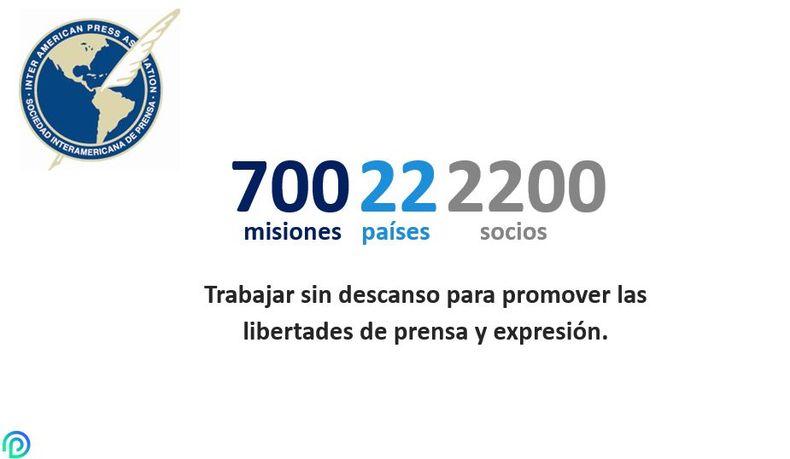
Ardila concluded his presentation by revealing the meaning behind the title of his talk, “700,222,200 Transformative Ideas for the Media”—a reference to the ongoing efforts of the Inter American Press Association, which has carried out over 700 missions in 22 countries and represents 2,200 members, with the goal of promoting freedom of the press and freedom of expression.