Miami (March 31, 2026) — An adverse environment marked by violence, state pressure, institutional constraints, and impunity was highlighted by the fact that eight countries in the Americas were classified in the “High Restriction” category of the 2025 Chapultepec Index of Freedom of Expression and of the Press.
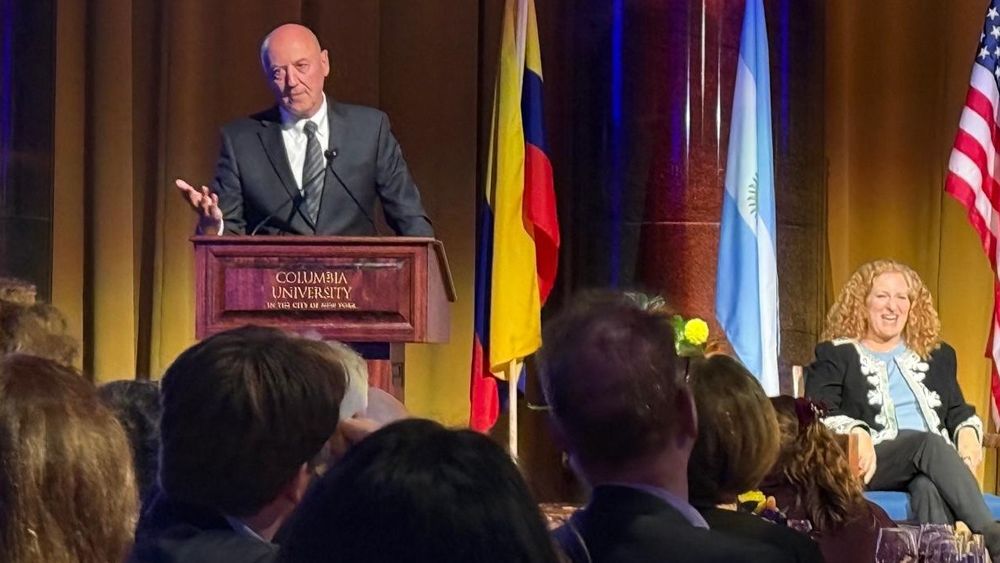
The barometer was officially presented by the IAPA on March 10 and revealed a troubling situation regarding these civil liberties: the regional average dropped to 47.10 points out of a maximum of 100, the lowest level recorded since its creation six years ago.
The group of countries in the “No Freedom of Expression” category—comprising Cuba, Venezuela, and Nicaragua—is followed by eight countries in the “High Restriction” category: Ecuador, Bolivia, Peru, Honduras, Mexico, El Salvador, Cuba, and Haiti.
The report also warns that the deterioration is due to structural factors such as violence against journalists, impunity for crimes against the press, the use of legal mechanisms to restrict reporting, and stigmatization by those in power.
In Ecuador, the deterioration is closely linked to the context of violence and insecurity, which has increased risks for journalists and media outlets.
In Bolivia, during the period prior to the inauguration of the new government of Rodrigo Paz, the climate of polarization and political pressure severely affected the performance of the independent press.
Peru, with notable deterioration and currently in a complex electoral context, is experiencing political instability that has led to tensions with the media, as well as restrictions on access to information and episodes of harassment.
In Honduras, the period leading up to last November’s general elections presented a particularly challenging environment, with high levels of violence against journalists, stigmatization, and weaknesses in protection mechanisms.
In Mexico, journalist killings, structural impunity, and insufficient protection measures persist, consolidating one of the most dangerous environments in the world for the practice of journalism.
El Salvador recorded a significant setback, marked by restrictions linked to the state of emergency, pressure on independent media, and a climate of intimidation that has led to the forced displacement of journalists.
Cuba continues to be characterized by a system of state control over the media, structural censorship, and the absence of guarantees for independent journalism, a situation that has worsened in recent months.
Haiti, for its part, faces one of the most critical situations in the hemisphere, with extreme violence, widespread insecurity, and conditions that severely hinder journalistic work.
The report also warns that the deterioration is driven by structural factors such as violence against journalists, impunity in crimes against the press, the use of legal mechanisms to restrict journalistic work, and stigmatization from those in power.
The IAPA is a non-profit organization dedicated to defending and promoting freedom of the press and expression in the Americas. It comprises more than 1,300 publications from the western hemisphere and is based in Miami, Florida, United States.